CPL vs PPL: Which Pilot Licence Is Right for You?
Understand the difference between Private Pilot Licence and Commercial Pilot Licence, including training focus, privileges, career goals, and airline pathways.
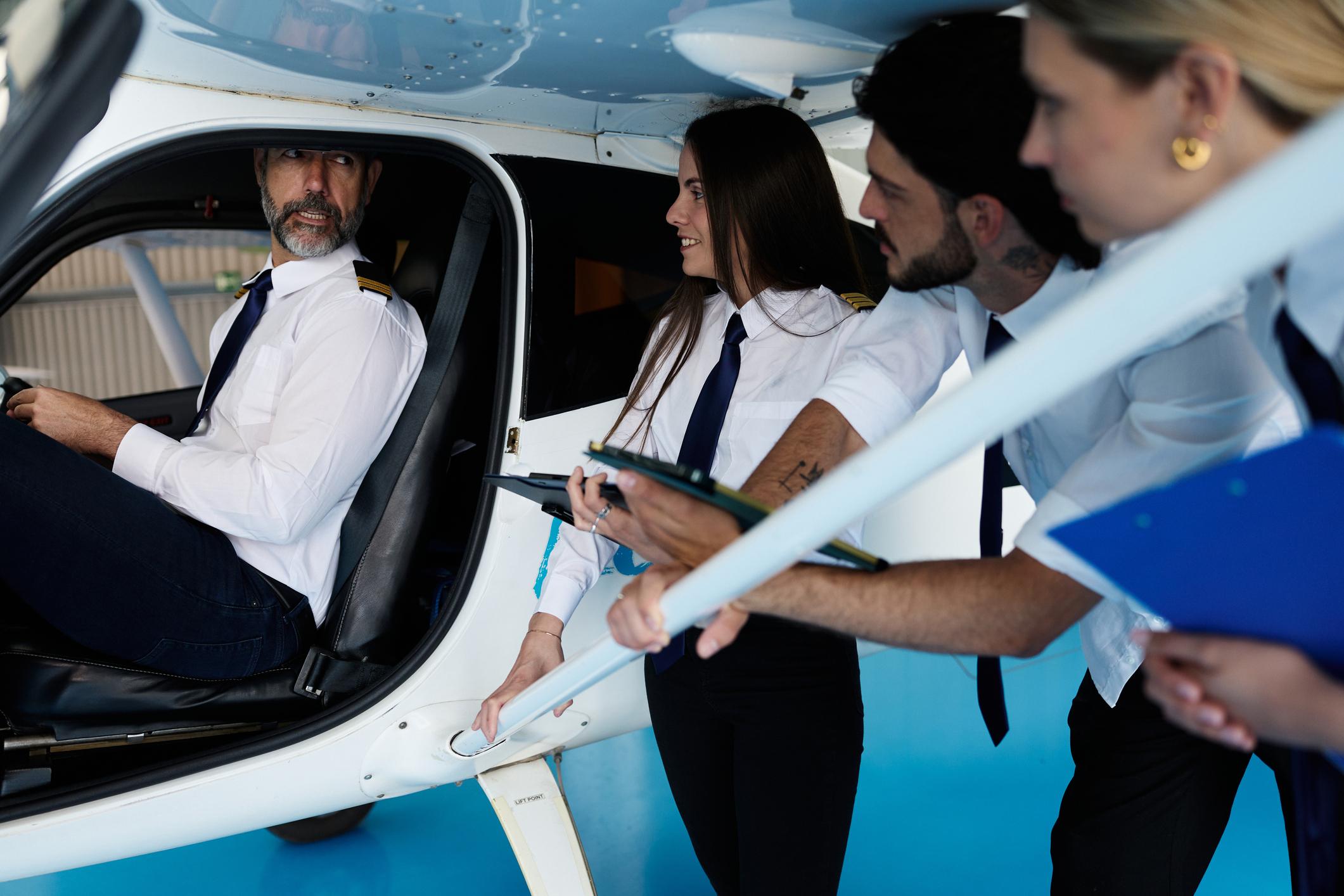
One of the most common questions asked by aspiring aviators is the difference between a Private Pilot Licence (PPL) and a Commercial Pilot Licence (CPL).
What Is a Private Pilot Licence?
A Private Pilot Licence is designed for individuals who wish to fly aircraft for personal, recreational, or non-commercial purposes. PPL holders can operate aircraft and carry passengers, but they cannot receive compensation for flying activities.
For many students, PPL is a valuable first milestone because it builds confidence, foundational aircraft handling, navigation understanding, and disciplined flying habits.
What Is a Commercial Pilot Licence?
The Commercial Pilot Licence is intended for individuals who want to pursue aviation as a profession. CPL holders can work as professional pilots and may be employed by airlines, charter operators, cargo companies, corporate aviation organizations, and flight training institutions.
Students who want an airline or professional aviation career usually need to plan beyond PPL and work toward CPL, advanced ratings, and airline readiness.
How the Training Structure Differs
The training structure also differs significantly. While PPL focuses primarily on foundational flight skills, CPL introduces advanced operational procedures, professional flight planning, commercial regulations, and higher standards of aviation competency.
CPL training is more career-oriented and expects students to develop professional cockpit discipline, better decision-making, stronger theoretical knowledge, and higher consistency in aircraft handling.
Which Licence Should Career-Focused Students Choose?
Students considering a long-term aviation career should view PPL as an important milestone rather than the final objective. Most airline pilots ultimately require CPL, Instrument Rating, Multi Engine Rating, and additional airline-specific qualifications.
If your goal is recreational flying, PPL may be suitable. If your goal is to become a professional pilot, CPL is the pathway to plan for from the beginning.
Make the Right Training Decision
Understanding these distinctions helps students choose the most appropriate training pathway based on their personal goals and career aspirations.
Before enrolling, students should discuss eligibility, DGCA medicals, ground school, training cost, flying-hour requirements, and career goals with an aviation counsellor.