How to Become a Commercial Pilot in India: Complete Guide for Aspiring Aviators
A complete roadmap covering eligibility, DGCA medicals, SPL, PPL, CPL, IR, MER, ground school, flight training, and airline preparation.
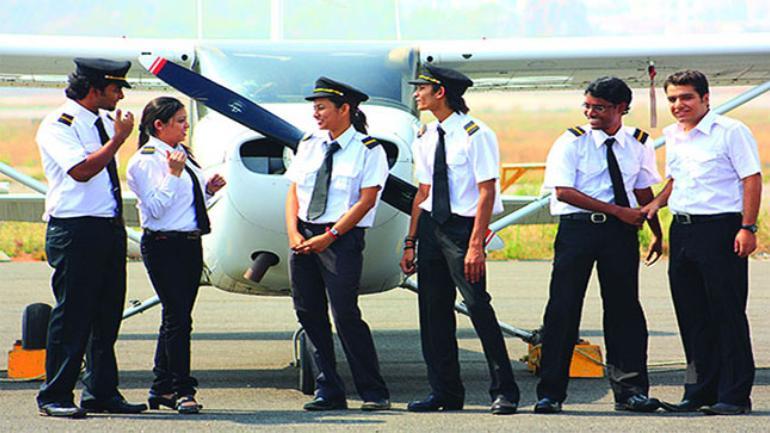
Becoming a commercial pilot is one of the most exciting and rewarding career paths available today. With the aviation industry continuing to expand, airlines around the world are actively seeking well-trained pilots capable of operating modern aircraft safely and professionally.
Understand the Pilot Training Roadmap
The journey begins with understanding the various stages of pilot training. Most students start with obtaining a Student Pilot Licence (SPL), followed by a Private Pilot Licence (PPL), Commercial Pilot Licence (CPL), Instrument Rating (IR), and Multi Engine Rating (MER).
Check Eligibility and Medical Requirements
The first step is ensuring eligibility requirements are met. Candidates typically need to complete 10+2 with Physics and Mathematics and obtain the required aviation medical certification.
Students should plan their DGCA medical process early because medical fitness is a key requirement before progressing deeply into professional pilot training.
Join Ground School Training
Once admitted into a flight academy, students undergo ground school training covering aerodynamics, navigation, meteorology, air regulations, aircraft technical knowledge, and aviation safety.
Strong ground school preparation helps students understand aircraft systems, weather decisions, navigation planning, and regulatory responsibilities before they enter more demanding flight training stages.
Start Flight Training
Flight training begins with basic aircraft familiarization and progresses to takeoffs, landings, navigation flights, solo operations, and cross-country flying.
As students accumulate flying hours and gain confidence, they move into more advanced training involving instrument procedures and commercial operations.
Complete CPL, IR, and Multi Engine Preparation
After completing CPL requirements, pilots often pursue Multi Engine Rating and Type Rating training to prepare for airline careers.
Instrument Rating and Multi Engine Rating help students build cockpit discipline, procedure-based flying habits, and confidence for advanced aircraft operations.
Prepare for Airline Selection
The final stage involves airline assessments, interviews, simulator evaluations, and recruitment processes. Students should prepare for technical questions, communication checks, aptitude rounds, psychometric assessments, and simulator-based evaluations.
Build the Mindset of a Professional Pilot
A successful aviation career requires dedication, discipline, continuous learning, and strong decision-making abilities. However, the rewards include global career opportunities, professional growth, and the ability to operate some of the world's most advanced aircraft.
For students in India, the best starting point is to get clear counselling on eligibility, training cost, DGCA requirements, and the right course pathway before choosing a flight academy.