Understanding DGCA Class 1 Medical Requirements for Pilots
Learn what DGCA Class 1 medical checks cover, including vision, hearing, cardiovascular health, general fitness, and renewal planning for pilots.
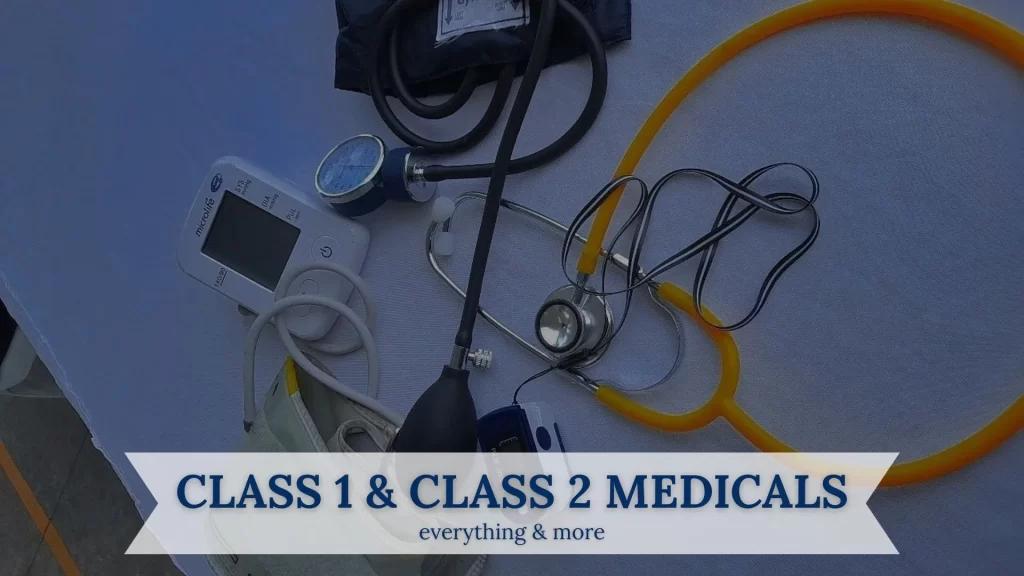
Medical fitness is one of the most important requirements for professional pilots. Aviation authorities maintain strict medical standards to ensure flight safety and operational reliability.
Why Pilot Medical Fitness Matters
Before beginning professional pilot training, students are generally required to undergo aviation medical examinations conducted by approved aviation medical examiners. These assessments evaluate physical and mental fitness for flight duties.
For aspiring commercial pilots, understanding medical requirements early helps avoid delays and gives students time to address documentation, corrective measures, or follow-up checks where needed.
What the DGCA Medical Examination Includes
The medical examination typically includes vision testing, hearing assessment, cardiovascular evaluation, respiratory examination, neurological screening, and general health review.
Candidates are also assessed for conditions that may affect flight performance, alertness, situational awareness, or decision-making abilities in the cockpit.
Common Concerns for Student Pilots
Many aspiring pilots worry about wearing spectacles or minor medical conditions. Fortunately, modern aviation medicine allows many candidates to qualify, provided they meet specific standards and corrective measures where applicable.
Students should not assume they are unfit without consulting the correct aviation medical process. The right approach is to complete the approved assessment and follow official medical guidance.
Medical Renewals During a Pilot Career
Maintaining good health throughout a pilot's career is equally important. Professional pilots undergo periodic medical renewals to ensure continued fitness for aviation operations.
Good lifestyle habits, regular health monitoring, and early attention to medical concerns can support a long and stable aviation career.
Plan Your Medical Early
Understanding medical requirements early in the training process helps students prepare effectively and avoid unnecessary delays in their aviation journey.
Before committing to a pilot training pathway, students should get clear counselling on Class 2 and Class 1 medical stages, eligibility, DGCA documentation, and the ideal sequence for admissions and training.