Why Flight Simulator Training Is Essential for Modern Pilots
See how simulator training builds instrument skills, emergency handling, cockpit resource management, airline SOP discipline, and pilot confidence.
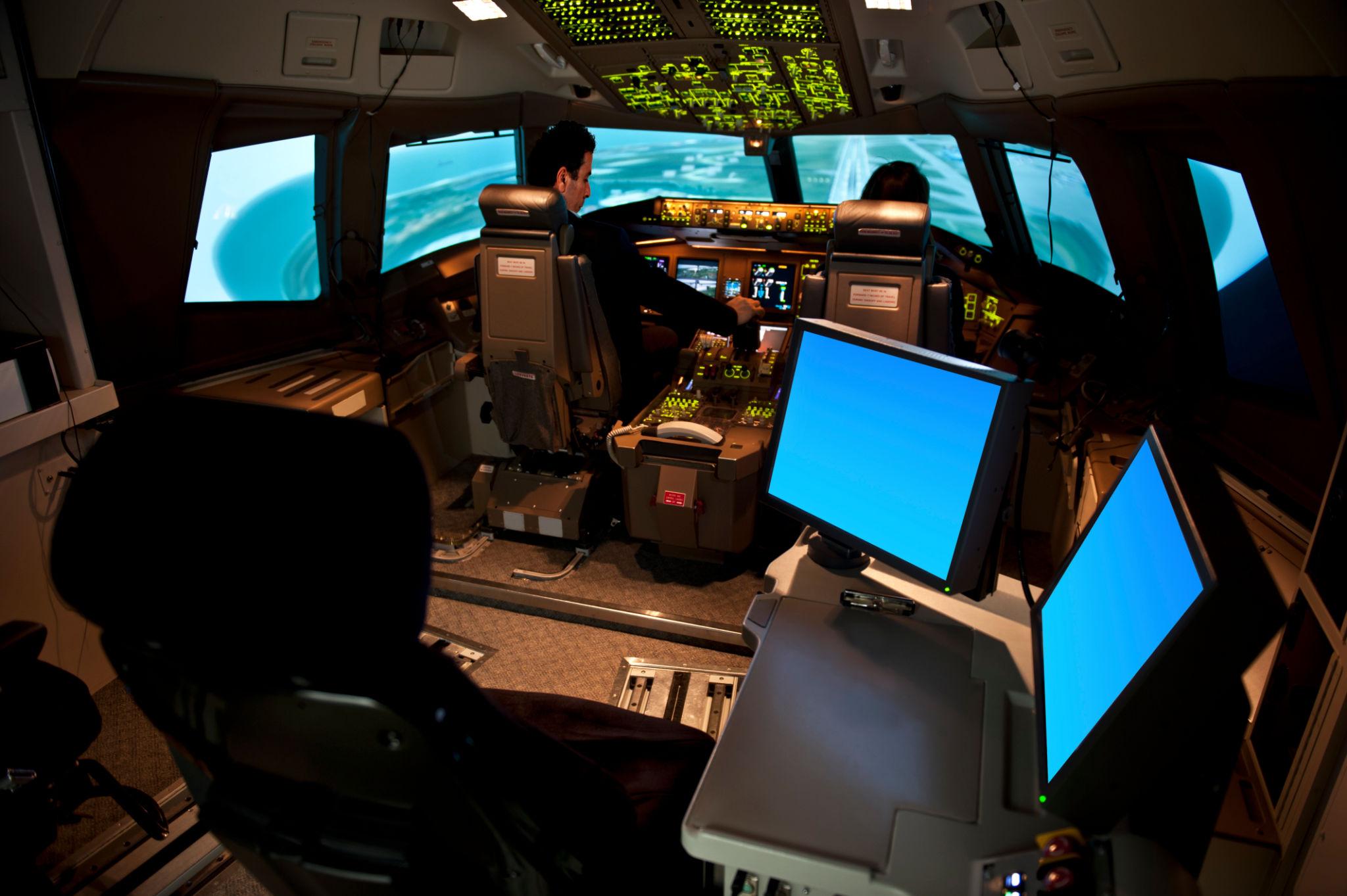
Flight simulators have transformed aviation training by providing realistic, cost-effective, and safe environments for pilot development.
Realistic Practice Without Real-World Risk
Modern simulators replicate aircraft systems, cockpit layouts, navigation equipment, weather conditions, and emergency scenarios with remarkable accuracy.
Students can practice situations that would be difficult, expensive, or unsafe to recreate in real aircraft, while instructors can pause, repeat, and review each scenario in a structured learning environment.
Skills Students Build in the Simulator
Simulator sessions allow trainees to develop instrument flying skills, emergency handling techniques, cockpit resource management, and airline-style operational procedures.
Instructors can introduce engine failures, system malfunctions, adverse weather, communication failures, and other operational challenges so students learn to respond calmly and correctly.
The Power of Repetition
One of the greatest advantages of simulator training is repetition. Students can repeat complex procedures multiple times until they achieve proficiency.
This accelerates learning and improves confidence before transitioning to actual aircraft operations, especially for instrument procedures, checklist discipline, and abnormal situation handling.
Why Airlines Rely on Simulator Training
Airlines around the world rely heavily on simulator-based training because it develops technical competence, situational awareness, decision-making ability, and operational discipline.
Simulator exposure also helps students understand the professional cockpit environment, standard operating procedures, crew coordination, and the importance of structured communication.
A Bridge Between Theory and Flight
For aspiring pilots, simulator exposure provides an invaluable bridge between classroom theory and real-world flight operations.
Students who use simulator sessions seriously can enter aircraft training with better preparation, stronger confidence, and a clearer understanding of how theoretical knowledge applies in the cockpit.